Updated: July 2026
Best Time to Visit Danitribe Bali in 2027: Why May, June, and September Are the Sweet Spot
Key Takeaways
- May, June, and September offer ideal weather for visiting Bali with fewer tourists and mild temperatures.
- Ideal conditions for exploring Bali’s lush landscapes and vibrant culture without the peak season crowds.
- Enjoy off-peak hotel rates and easier access to popular attractions during these months in Bali.
- No connection between Bali and the Dani people of Papua; they reside in the Baliem Valley.
While the Dani tribe is indigenous to Papua’s Baliem Valley, not Bali, one can experience their rich culture and traditions from May to September when the weather in Papua is more favorable for trekking and cultural immersion. Discover why these months offer the best conditions for your journey to witness the Dani culture firsthand.
Understanding the Dani Tribe’s Unique Location
The Dani tribe resides in the Baliem Valley, located in the central highlands of Papua, Indonesia. This valley, home to approximately 100,000 people, is a distinct cultural and geographical area within the larger Papua region. The only access point via air travel is Wamena Airport, which serves as the access point to this secluded cultural landscape.
Unlike Bali, a popular tourist destination known for its beaches and Hindu temples, the Baliem Valley offers a completely different experience characterized by its rugged mountainous terrain, unique cultural practices, and a cooler, more temperate climate. Travelers seeking to understand the way of life of the Dani people must journey beyond the typical Indonesian tourist paths to Wamena, Papua.
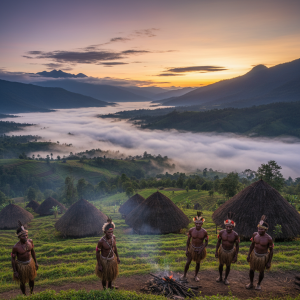
The remoteness of the Baliem Valley provides a unique opportunity to engage with an intact cultural environment that has been largely preserved over the years. This area stands as a testament to the resilience and ingenuity of the Dani people, whose traditional ways are visible in their agriculture and architecture, such as the iconic honai huts.
Climate and Best Travel Months
The climate in the Baliem Valley, where the Dani tribe resides, differs significantly from Bali’s tropical weather. The highland area experiences a subtler seasonal variation, with relatively consistent temperatures year-round but varying levels of rainfall. The wet season typically occurs from December to March, while the drier months are from May to September, making it the optimal period for visiting.
May, June, and September stand out as the sweet spots for travel in 2027. During these months, the weather is drier, which makes trekking through the valley’s lush terrain more accessible and pleasant. Additionally, the reduced rainfall decreases the likelihood of travel disruptions and enhances the overall experience when visiting cultural sites and participating in traditional Dani activities.
The conditions during these months not only facilitate exploration but also allow travelers to experience the Dani’s agricultural practices at their peak. The sweet potato harvest, a vital part of the Dani diet with over 70 varieties, is often conducted during this period, providing visitors a firsthand look at local farming techniques.
Experiencing Dani Culture and Traditions
The Dani tribe is renowned for its rich cultural heritage, including unique practices and festivals. A prominent cultural experience involves attending a pig festival, a significant event where dozens of pigs are meticulously prepared and cooked in traditional underground pits. This practice is a cornerstone of Dani culture, offering visitors insight into their communal lifestyle and traditions.
Visitors to the Baliem Valley during the optimal months will have the chance to witness and partake in these cultural events. Engaging with the Dani people through such experiences provides a deeper understanding of their ways of living, their famed hospitality, and their resilience in preserving their cultural identity in the face of modern influences.
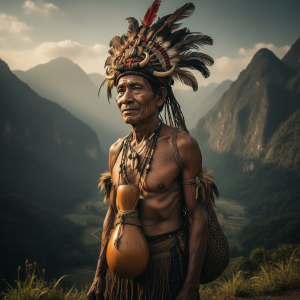
Other traditional practices include mock battles and intricate body adornments, often showcased during these festivals. These cultural displays are not only a form of entertainment but also serve as a means of preserving stories and histories significant to Dani society.
Trekking and Adventure in Baliem Valley
Trekking is a popular activity for visitors to the Baliem Valley, offering a chance to explore the striking natural landscapes and encounter the Dani tribe in their daily environment. The trails vary in difficulty, catering to both novice hikers and experienced trekkers, and are best explored during the drier months when the ground is firm and the weather is clear.
Local operators, such as Papua Explorer, provide guided treks that range from a single day to multi-day expeditions. The cost usually spans from $100 to $300 USD per day, depending on the length and complexity of the trek. These treks not only allow for remarkable views of the valley but also provide meaningful interactions with the Dani people.
Trekking routes often include visits to different villages, where travelers can observe daily activities such as weaving, traditional cooking methods, and the cultivation of local crops. These experiences are invaluable for those looking to gain a deeper appreciation of the Dani’s connection to their land and traditions.
Practical Considerations and Travel Tips
Traveling to the Baliem Valley requires careful planning. The only airport access is through Wamena, and flights are often limited and subject to weather conditions. It’s advisable to book in advance and allow for flexible travel dates to accommodate any potential changes. Additionally, permits are typically required to enter the region, and these can often be arranged through local tour operators.
When visiting, it’s important to respect local customs and traditions. Bringing gifts such as salt and tobacco can be a polite gesture when interacting with the locals. Furthermore, as lodging options are basic compared to standard tourist destinations, travelers should come prepared for a more rustic accommodation experience in traditional honai-style huts.
Communication in the valley can be challenging due to limited internet access and language barriers. Hiring a local guide who is fluent in both Indonesian and the native Dani language can greatly enhance the travel experience, ensuring smoother interactions and a better understanding of cultural nuances.
Logistics and Accessibility
Getting to the Baliem Valley involves a series of well-coordinated travel steps. Flights to Wamena Airport, the only air access point to the region, often depart from Sentani Airport in Jayapura. Due to the limited number of flights, securing a ticket well in advance is crucial for a smooth journey.
Travelers should also prepare for potential delays, frequently caused by unpredictable weather conditions in the highlands. Packing essentials such as rain jackets and sturdy footwear is not only advisable but necessary to tackle the variable terrain and climate.
Once in Wamena, visitors typically rely on local transportation such as shared taxis or private hires to explore the area. Navigating the valley’s rugged terrain requires patience and a flexible itinerary, allowing for spontaneous stops at cultural sites or scenic viewpoints.
Conclusion: Embracing a Unique Travel Experience
Visiting the Dani tribe in the Baliem Valley offers a truly unique cultural experience unlike any other in Indonesia. By choosing to travel in May, June, or September, you maximize your opportunity to engage with the community, partake in traditional festivities, and explore the awe-inspiring landscapes of Papua’s highlands.
This journey is not merely a vacation but an opportunity to gain insight into the diverse cultural notable of Indonesia. The Dani tribe’s preservation of their traditional lifestyle amidst the modern world is a testament to their resilience and offers visitors a rare glimpse into a time-honored way of life.
FAQs
Q? How do I get to the Baliem Valley to visit the Dani tribe? A: The Baliem Valley is accessible via Wamena Airport in Papua. There are flights from larger hubs like Jayapura, but it’s important to check for availability and book in advance due to limited service.
Q? What should I bring when visiting the Dani tribe? A: It’s recommended to bring practical gifts such as salt or tobacco when visiting. Also, pack for variable weather, including rain gear and sturdy hiking boots for trekking.
Q? Are there accommodations available in the Baliem Valley? A: Accommodations in the Baliem Valley are basic, often in traditional honai huts or simple guesthouses. Booking through a local operator can ensure a more smooth experience.
For wider arrangements, our partner baliluxurytransport can coordinate end to end.
Planning something bigger across Indonesia? Plan wider itineraries with baliairporttransfer.
Explore all danitribe.com options and plan your trip.