Updated: June 2026
Baliem Valley Trekking Guide: Routes, Difficulty, Gear (2026)
Six villages. Sixty kilometers. Five days.
What you’ll actually walk, the difficulty, what to pack, and the questions we get most often before expedition departure. (See Dani people for context.)

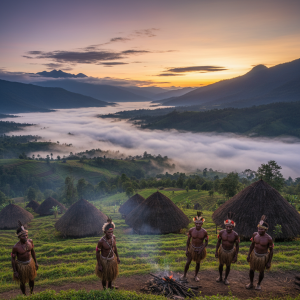
Baliem Valley sits at 1,500-2,000 meters elevation. The valley floor itself is relatively flat — the difficult terrain is the slopes connecting valley villages and the steeper Yali highland sections. Most of our expedition kilometers are on packed-earth footpaths through cultivated fields, with occasional river crossings and a few moderate climbs.
Daily distances and difficulty
| Day | Distance | Elevation gain | Difficulty |
|---|---|---|---|
| 1 (Pugima settling) | ~3 km | +50m | Easy |
| 2 (Pugima → Sogokmo) | ~7 km | +200m | Easy-moderate |
| 3 (Sogokmo → Jiwika) | ~9 km | +400m | Moderate |
| 4 (Jiwika → Yali border) | ~6 km | +700m | Moderate-strenuous |
| 5 (Return) | ~3 km | -1,000m | Easy (descent) |
Total distance: ~28 km over 5 days. Average pace: 3 km/h with frequent stops. Most reasonably-fit adults complete this without difficulty. We rate it equivalent to a Lake District multi-day hike or a moderate Tour-du-Mont-Blanc section.
Fitness requirements
If you can comfortably walk 8-10 km on hilly terrain in a day, you can do this expedition. We’ve taken guests from age 19 to age 71 on the standard route. Children under 12 are not recommended (logistics and altitude). Anyone with knee issues, cardiac concerns, or recent surgery should consult their physician — we don’t gatekeep but we are honest in our briefing.
Altitude considerations
Baliem Valley sits at 1,500-2,000m. Most travelers experience mild altitude effects on day 1-2 (light headache, slight breathlessness). The expedition gives you 24 hours at altitude before any significant climbing on day 2. We carry low-flow oxygen as precautionary supply but have not had to use it in the last four years.
Gear list
Essential: Sturdy hiking boots (broken in). Daypack 25-30L. Lightweight rain shell. Insulating layer (fleece or merino) — evenings drop to 8-12°C. Trekking poles (we provide if needed). 1L water bottle minimum. Sun hat. Sunscreen. Headlamp.
Recommended: Camera (DSLR or mirrorless, with spare battery — no charging in villages). Notebook + pen. Waterproof bag for electronics. Slip-on sandals for evening at honai (no boots inside).
Provided by us: Sleeping mat, sleeping bag rated to 0°C, basic first aid kit, water purification, all meals while on trek, all guide services, community visit fees, all permits.
Best season
The “dry” season runs roughly April-October, with shoulder months November and March transitioning to/from wet season. The valley is never truly dry — expect intermittent showers in any month — but the trails are passable and the river crossings are manageable from April to October. We do run expeditions in November-March but they are shorter, route changes are common, and pricing reflects the extra logistical complexity.
Book your expedition window
April through October is peak. Book 90+ days ahead for these months. November-March can sometimes accommodate 30-day lead times.
Cultural immersion with the Dani people: A journey into ancient traditions
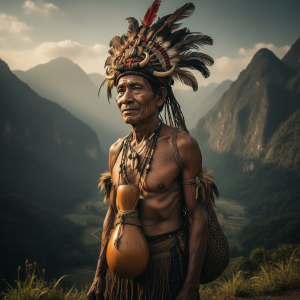
The Baliem Valley, a verdant expanse cradled by the formidable central highlands of West Papua, offers more than just striking landscapes; it serves as a living museum where the vibrant traditions of the Dani people thrive. For the discerning traveler, engaging with this remarkable indigenous community is not merely an itinerary item, but a profound opportunity for cultural exchange, guided by principles of respect and ethical tourism. Imagine witnessing the rhythmic chants and powerful dances of a mock warfare ceremony, an ancient spectacle that once defined territorial disputes but now welcomes visitors into a captivating display of heritage and strength. These carefully orchestrated events, often arranged through luxury tour operators, provide an authentic glimpse into Dani societal structures, rituals, and the deep connection they share with their ancestral lands.
Beyond the ceremonial displays, true immersion unfolds in more intimate settings. Stroll through traditional Dani villages, characterized by their distinctive circular honai (men’s houses) and ebeai (women’s houses), constructed from wood and thatch without the use of nails. Engage with elders and artisans, observing their meticulous craftsmanship in creating traditional tools, weapons, and intricate noken bags woven from tree bark fibers. Many luxury itineraries include opportunities for a traditional earth oven cooking experience, known as bakar batu, where food is cooked using heated stones, a communal ritual that fosters connection and understanding. This direct interaction, facilitated by expert local guides fluent in both Indonesian and the Dani language, transforms a simple visit into an educational and deeply personal encounter, revealing the warmth and resilience of a culture that has preserved its identity for millennia.
Beyond the trek: Curated luxury experiences in the Baliem Valley
While the allure of trekking through the Baliem Valley’s dramatic terrain is undeniable, the luxury traveler seeks an experience that transcends the physical challenge, offering unparalleled comfort, exclusivity, and bespoke insights. Imagine arriving in Wamena, the valley’s main town, not just as a waypoint, but as the gateway to a meticulously planned itinerary that includes private transfers, premium lodging options (even if rustic by design, elevated through service), and access to unique vantage points. Bespoke tours might include helicopter transfers to remote villages, offering a bird’s-eye view of the valley’s intricate river systems and terraced farms before landing for an exclusive cultural encounter, minimizing travel time and maximizing impactful experiences. These carefully curated journeys ensure that every moment, from the crisp morning air filtering into your comfortable tented camp to the sunset over the jagged peaks, is infused with a sense of privileged discovery.
Luxury in the Baliem Valley also extends to the intellectual and spiritual enrichment of the journey. Expert anthropologists or local historians can be arranged to accompany groups, offering invaluable context to the cultural practices observed and the historical significance of the region. Consider a private visit to a sacred Dani mummy site, such as the one in Akima or Jiwika, where centuries-old preserved ancestors offer a tangible link to the past, explained with reverence and depth. Such access is often facilitated by established luxury operators who have cultivated long-standing relationships with local communities, ensuring respect for sacred sites and traditions. For those with a passion for photography, specialized photographic expeditions can be arranged, led by professional photographers who understand the unique light and cultural nuances of the valley, providing unparalleled opportunities to capture its raw beauty and the captivating spirit of the Dani people. It’s an investment in a journey that is as seamless as it is profound, designed to leave an indelible mark on the soul.
Planning your bespoke Baliem Valley journey: Essential considerations
Embarking on a luxury expedition to the Baliem Valley requires meticulous planning and the expertise of seasoned tour operators specializing in high-end Indonesian adventures. The region, while increasingly accessible, remains remote, necessitating careful attention to logistics, permits, and local customs. All foreign visitors are required to obtain a surat jalan (travel permit) from the local police in Wamena upon arrival, a process typically handled seamlessly by your luxury tour provider. While the primary trekking season generally runs from April to November, avoiding the heaviest rains, a well-prepared luxury trip can navigate slight variations, offering unique perspectives during different times of the year. For instance, some cultural festivals, such as the annual Baliem Valley Festival typically held in August, can be a highlight, drawing thousands of Dani, Lani, and Yali tribespeople for mock battles, traditional dances, and pig feasts. This event, a spectacle of living history, is often integrated into exclusive luxury itineraries, offering prime viewing opportunities and unparalleled access.
Choosing the right luxury operator is paramount to a fulfilling and responsible journey. Look for companies with a proven track record in West Papua, demonstrating a deep understanding of local culture, strong community ties, and an unwavering commitment to sustainable and ethical tourism practices. Such operators ensure that a significant portion of your investment directly benefits the Dani communities you visit, supporting local guides, porters, and artisans. They also provide comprehensive support, from securing domestic flights to Wamena (often originating from Jayapura) to arranging comfortable, often glamping-style, accommodations that blend seamlessly with the natural environment while offering essential amenities. Expect a high guide-to-client ratio, ensuring personalized attention and flexibility to tailor experiences to your specific interests, whether it’s birdwatching for endemic species like the Western Parotia or delving deeper into the intricate social structures of the Dani tribe. This level of curated service transforms a challenging destination into an effortlessly enriching adventure, ensuring every detail is managed with precision and care.