Updated: June 2026
Planning Papua Dani Tribe Travel for the Baliem Valley Festival
- Logistics: Requires flights into Jayapura (DJJ), a connecting flight to Wamena (WMX), and a government-issued travel permit (*Surat Jalan*).
- Festival: An annual 3-day event showcasing mock battles and cultural traditions of the Dani, Lani, and Yali peoples.
- Experience: Offers a profound cultural immersion into one of the world’s most isolated and traditional societies.
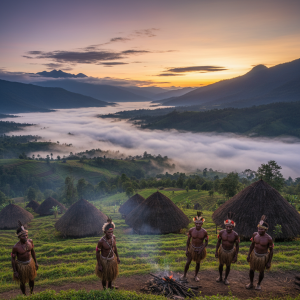
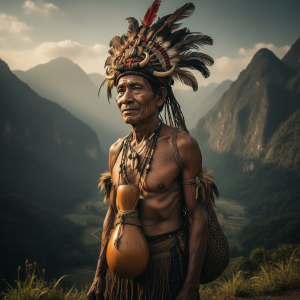
The air in the Baliem Valley feels different. It’s thin, carrying the scent of damp earth and the smoke from a hundred cooking fires. You stand on the edge of the festival grounds in Wosilimo, the energy a low hum that vibrates through the soles of your boots. Warriors, their bodies painted in clay and charcoal, adjust elaborate headdresses of cassowary and paradise bird feathers. The sound begins—a low, rhythmic chant that swells as dozens, then hundreds of voices join. This is not a performance for you. This is a living, breathing assertion of identity, a tradition carried forth in one of the planet’s most secluded corners. This is the start of the Baliem Valley Festival, and your journey into the world of the Dani has just begun.
The Baliem Valley Festival: A Cultural Keystone, Not a Tourist Trap
First, let’s be clear about what this event is. While it has become a focal point for travelers seeking authentic cultural encounters, the Baliem Valley Festival was not created for tourism. Established in 1989, its primary purpose was to transform centuries of genuine, often brutal, inter-tribal warfare into a symbolic celebration. It serves as a vital mechanism for maintaining peace and preserving traditions among the primary tribes of the valley: the Dani, the Lani, and the Yali. Each August, typically over three days (the 2024 dates are confirmed for August 7-9), clans gather to stage elaborate mock battles. These are not choreographed dances; they are powerful displays of prowess, strategy, and cultural pride. The air fills with the shouts of warriors and the resonant twang of the *pikon*, a small musical instrument made from bamboo that produces a hypnotic, buzzing sound. The festival is a multi-sensory immersion, from the visceral sight of charging warriors wielding 4.5-meter spears to the communal atmosphere of the pig feast, where pigs are cooked in an earth oven with hot stones—a method known as *bakar batu*. Securing a prime vantage point and understanding the nuances of the proceedings is where a specialist guide becomes indispensable. Our contacts on the ground confirm that while visitor numbers are growing, the event’s core integrity remains, offering an unparalleled window into Papuan heritage.
Navigating the Logistics: Your Passage to Papua’s Heartland
Reaching the Baliem Valley is a significant undertaking that underscores its isolation. Your journey to engage in papua dani tribe travel begins not in Papua, but likely in Jakarta (CGK) or Bali (DPS), from where you will fly to Jayapura’s Sentani Airport (DJJ). From Jayapura, the final and most critical leg is the 45-minute flight over dense jungle and serrated mountain peaks to Wamena (WMX), the valley’s main town, situated at an elevation of 1,600 meters. Airlines like Trigana Air and Wings Air operate these routes with ATR turboprop aircraft, but schedules are notoriously fluid and subject to weather-related delays. This is not a journey to book on a commercial travel aggregator. The most critical piece of administrative preparation is securing a *Surat Jalan*, or travel permit. This document is mandatory for all foreign nationals traveling beyond Jayapura into the highlands. It can be obtained from the central police station (*Polda*) in Jayapura or upon arrival in Wamena, requiring your passport, two passport-sized photos, and a fee of around IDR 100,000. The process can take several hours. For our clients, this entire logistical chain—from chartering reliable aircraft to pre-arranging the *Surat Jalan*—is handled by our ground team, ensuring a seamless and stress-free entry into this restricted region. This is the foundational support that transforms a potentially arduous trip into a focused cultural exploration.
Beyond the Festival: Curating a Deeper Valley Immersion
While the festival is the magnetic draw, the Baliem Valley offers profound experiences that extend far beyond the event grounds. A well-structured itinerary uses the festival as a centerpiece for a wider exploration. We recommend dedicating at least two to three additional days to visiting traditional Dani compounds. A short drive from Wamena takes you to the village of Jiwika, known for its salt well, where the Dani have for centuries used banana stems to absorb saline water from a pool deep in the forest—a fascinating example of indigenous technology. Nearby, in the village of Sumpaima, you can request to see the famed 250-year-old mummy of the war chief Wimontok Mabel, kept in the smoky confines of a men’s hut, or *honai*. Be prepared to pay a photography fee, which can be as high as IDR 500,000, a negotiation best handled by your guide. For the more intrepid, a multi-day trek into the southern valley offers a complete disconnection from the modern world. These are the types of cultural expeditions to Baliem Valley that reveal the region’s true depth. With a team of local porters and a private cook, you can traverse suspension bridges over the powerful Baliem River and sleep in villages that see only a handful of outsiders each year. This is where you witness daily life, unchanged for generations, and truly grasp the context of the festival you came to see.
Accommodation and Comfort: Managing Expectations in a Remote Landscape
It is vital for luxury travelers to set expectations appropriately. The Baliem Valley is one of Indonesia’s most undeveloped regions; there are no five-star resorts or international hotel chains. The primary accommodation in Wamena is the Baliem Pilamo Hotel, a government-run establishment that offers around 80 clean but fundamentally basic rooms. During the festival, its rooms are booked months, sometimes years, in advance, and prices can surge past $150 per night. For a more controlled and exclusive experience, we often arrange private, high-end tented camps for our guests. These camps are strategically located for access to the festival while providing a higher degree of comfort, privacy, and service, including dedicated chefs who can cater to specific dietary requirements. Dining options in Wamena are extremely limited, and food hygiene can be a concern for unacclimated visitors. A curated journey with a company like Danitribe bypasses these challenges entirely by incorporating a private cook who prepares meals using carefully sourced ingredients. This focus on the “software” of the experience—expert guides, seamless logistics, and reliable culinary services—is what defines luxury in a destination where traditional infrastructure is scarce. The comfort comes not from opulent facilities, but from flawless execution and exclusive access.
Cultural Etiquette and Responsible Engagement
Engaging with the Dani people requires a high degree of cultural sensitivity and awareness. This is not a human zoo; it is a community allowing you a brief glimpse into their world. The foremost rule is to always ask for permission before taking a photograph. During the festival, many participants will expect a small payment for posing for a photo, typically between IDR 5,000 and 10,000. A good guide will often negotiate a single, larger fee for a group, allowing for more candid and respectful photography. When visiting villages, resist the urge to hand out gifts like candy or plastic trinkets to children. If you wish to bring something, practical items like salt, sugar, fish hooks, or tobacco are far more valued. The best practice, as advised by responsible tourism authorities like Indonesia’s official tourism board, is to consult with your guide, who can advise on what is appropriate and needed. The most meaningful contribution you can make to the local economy is through your tour itself—by employing local guides, porters, and drivers, you are providing a sustainable income that empowers the community to preserve its unique heritage. Your guide is your cultural interpreter; rely on them to navigate the complex social customs and ensure your interactions are positive and respectful for all parties involved. This mindful approach is the cornerstone of any meaningful papua dani tribe travel experience.
Quick FAQ: Your Papua Dani Tribe Travel Questions Answered
What is the best time to visit the Baliem Valley?
While the valley is accessible for trekking year-round, the absolute best time to visit is during the Baliem Valley Festival in early August. This period also falls within the region’s dry season, which generally runs from May to October, offering clearer skies and more favorable conditions for hiking and exploration. Temperatures are pleasant during the day but can drop to a crisp 10-15°C at night due to the altitude.
Is it safe to travel to West Papua?
The Baliem Valley itself is widely considered safe for tourists, particularly when traveling with an established and reputable operator who has strong local connections. The communities here are welcoming to visitors. However, it’s important to be aware that political sensitivities and isolated security incidents can occur in other parts of the wider West Papua region. We always recommend checking your home country’s travel advisories and entrusting your safety to the expert ground handlers and security protocols provided by specialists like those at Danitribe.
What should I pack for a trip to the Dani tribe region?
Packing for the Baliem Valley is about practicality and layers. Essential items include sturdy, broken-in hiking boots, a reliable rain jacket, and warm layers like fleece for the cool evenings. High-SPF sunscreen and a wide-brimmed hat are crucial, as the sun is intense at 1,600 meters. Also pack a basic medical kit, insect repellent containing DEET, and any personal medications. Critically, bring a substantial amount of cash in Indonesian Rupiah, as credit cards are not accepted and the few ATMs in Wamena are often out of service.
What is the significance of the koteka?
The *koteka*, or penis gourd, is a traditional phallocrypt worn by men of the Dani and other ethnic groups in the highlands. It is a powerful symbol of their cultural identity, not an object of novelty. The size or shape does not denote rank or status, but is rather a matter of personal preference and practicality for different activities. The continued use of the *koteka* is a proud statement of cultural heritage, a fact noted in the region’s inclusion on UNESCO’s Tentative World Heritage list for the Baliem Valley.
A journey to the Baliem Valley for the annual festival is more than a trip; it is a passage to another era. It is an opportunity to witness a culture that has remained resilient against the homogenizing forces of the modern world. Navigating this remote and complex environment requires more than just a ticket and a hotel booking; it demands deep local knowledge, logistical precision, and a profound respect for the people who call this valley home. This is travel at its most elemental and transformative. To plan your own journey into the heart of Papuan culture, explore the bespoke itineraries offered by danitribe, where every detail is meticulously curated to create a safe, immersive, and memorable expedition.